


7 Key Takeaways from ‘Zero to One’
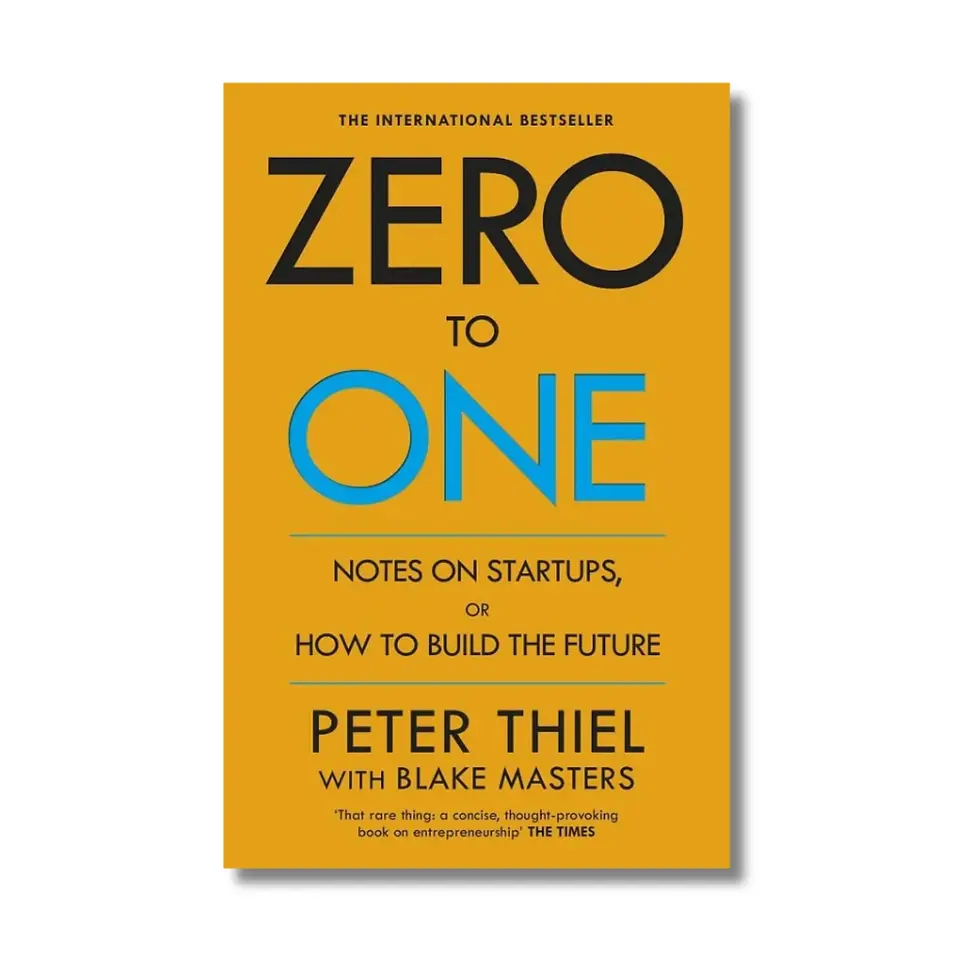
Start from Scratch
Creating something from scratch adds value to the world. However, it is a hard task to perform, as your idea has never existed before, meaning there is nothing to copy or depend on. While horizontal progress involves creation using what is already there, vertical progress can improve the future, with all sorts of new designs, products, and ideas.

Lessons from the '90s
The author uses the word ‘hubris’ to describe the main feelings and thoughts of the people during the ‘90s, when the ‘dot-com boom and crash’ occurred. This unnatural burst was fuelled by the overenthusiasm of entrepreneurs who only claimed to go from zero to one but never actually did it. After the brutal reality check of the ‘dot com crash’, lessons such as modesty, flexibility and focusing on the product were imbibed. While these may keep greed and irrational exuberance at bay, sometimes we need the crazy drive of the 1990s to go from zero to one.
Eyes on the Monopoly
To make people believe that two or more firms are similar, monopolies and competitor firms lie their way out. A monopoly puts a lot of effort into hiding its monopolistic behaviour and profits by portraying itself as another drop in the vast ocean, just a small company in a rather gigantic industry. In contrast, firms that are under a lot of competition tend to exaggerate their dominance of the industry.
Clash of the Rivals
Rivalry blinds many businesses. In an attempt to surpass their competitors, rival firms may lock horns and crash out, losing their market share, their money and their sanity in the process. The final page of this chapter highlights the importance of a famous quote about rivalry: ‘If you can’t beat them, join them’.
How We Perceive in 4 Ways
One chapter examines four distinct perspectives on how individuals, startups, and nations envision the future. There are indefinite pessimists and optimists who acknowledge that the future may be positive or negative, yet they remain uncertain about its timing or their reactions. On the other hand, definite thinkers grasp how the future will develop and actively prepare for it. Of all these options, a definite future deserves pursuit, and to attain it, a startup must avoid relying on luck or chance.
Flimsy Foundations
The author also highlights the importance of ‘doing it right at the start’. A shaky foundation may result in the fall of a startup as it grows. Having healthy and solid relationships with the co-founders and working together like a well-oiled engine is critical for a good startup.
The Power of a Salesman
One should not expect their ‘revolutionary’ product to sell immediately. A chapter in the book highlights the importance of marketing and sales, which can turn a bad product or a concept into a bestseller.
Outro: Blast off!
The book ends by revolving back to where it begins, going from zero to one. Out of the four perspectives that describe the future of humanity, the last one shows a graph that pictures us taking off, launching like a rocket into the optimistic future. While this scenario is difficult to imagine, the author encourages us to believe that it can happen. A combination of fresh new ideas and entrepreneurial spirit can achieve this.


Comments